How we hold onion quality through long transit
Curing, ventilation and loading timing decide whether onions arrive with tight skins or with sprouting necks.
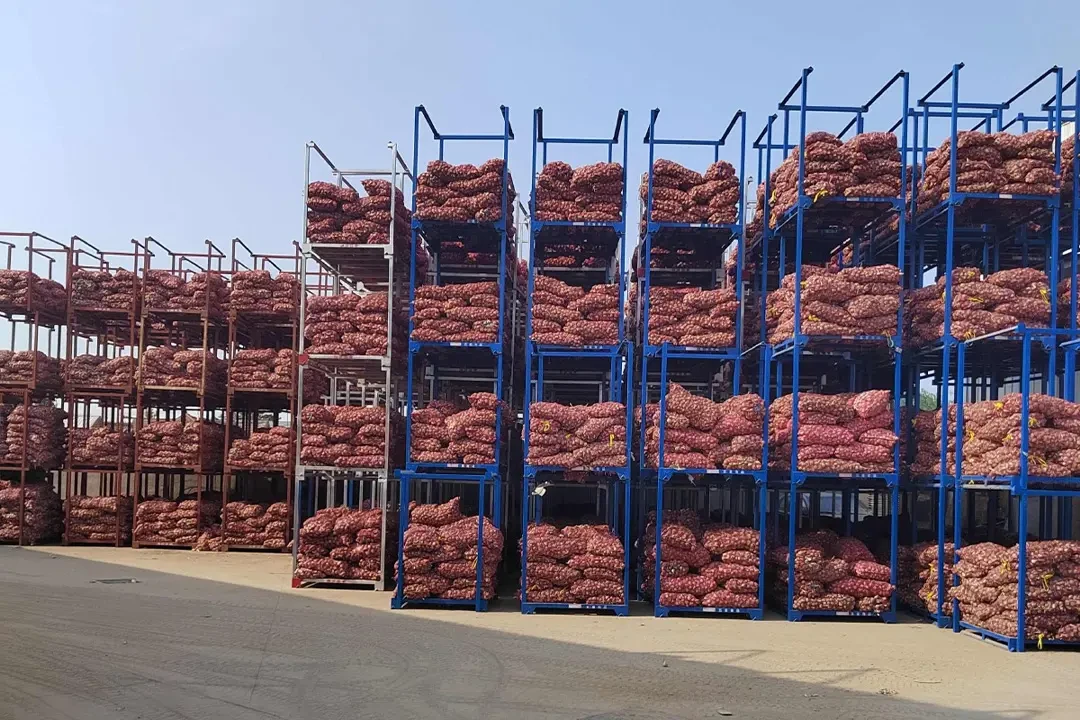
Onions are one of the few vegetables that improve with a short wait. A bulb that leaves the field with a wet neck will sweat in a container; a bulb that has cured properly will sit through four weeks at sea with its skin intact. Most of the quality complaints we see trace back to skipping that wait, not to the voyage itself.
Cure first, then grade
After lifting, bulbs are laid out to dry until the necks are papery and the outer skins are firm. Only then do they go over the grading line. Sorting wet bulbs hides the problem rather than solving it: the damaged ones look acceptable on the belt and collapse three weeks later.
At grading we remove soft bulbs, doubles, thick necks and split skins. The tolerance for each defect is agreed with the buyer before the lot is ordered, so the grade on the packing list matches what the receiving team will measure.
Ventilation inside the container
Onions need air movement, so we load into ventilated reefers and keep the set point in the range agreed for the crop. Cartons and mesh bags are stacked to leave channels for air rather than pressed flat against the container wall.
Loading photographs and temperature readings are taken before the doors close. If a reading drifts during loading, the shipment is held rather than loaded and argued about later.
What buyers should confirm
Before booking, agree the size grade, the pack format, the expected transit time and the set point. Ask for the loading readings as well as the packing list. Those three items explain most arrival differences between two shipments of the same crop.
More from the export desk
All news
Ginger harvest window: what buyers should plan for
Mature ginger is lifted late in the season. Booking early keeps the size grade you need inside the window.
Read article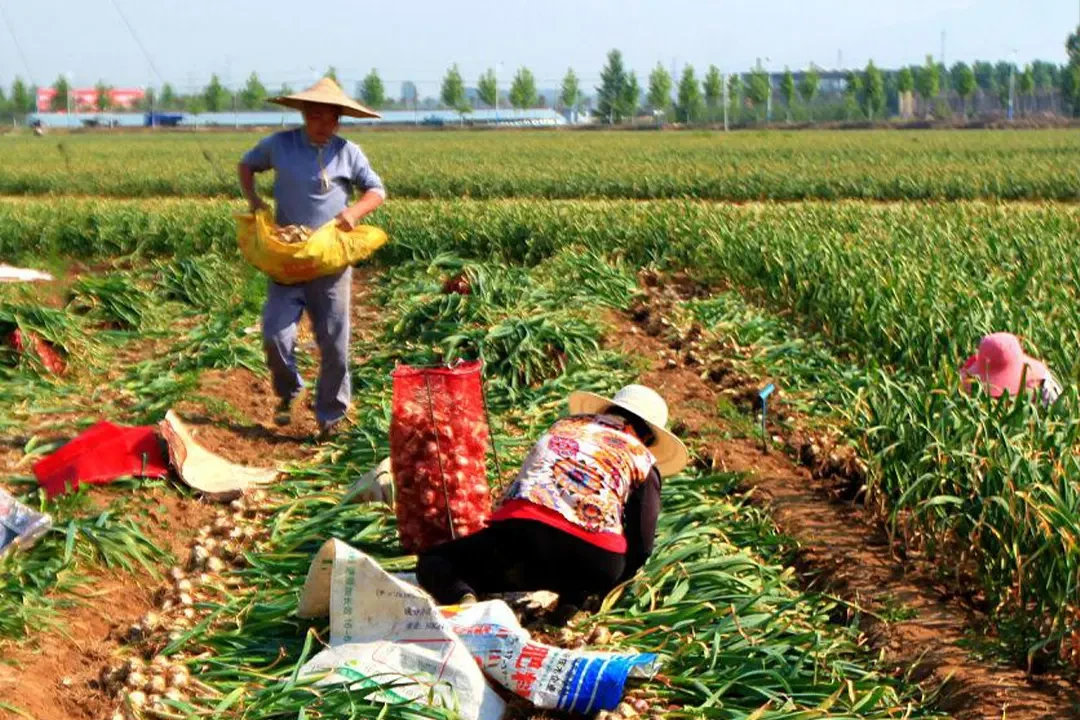
Garlic Harvest Season Underway in China as Export Preparations Begin
New-crop garlic is being lifted, cured and graded as packing facilities prepare export lots for overseas buyers.
Read article